

Table of Contents
- What a Titer Test Actually Is?
- Why the Annual Booster Model Is Being Reconsidered?
- Who Is Most Likely to Benefit From Titer Testing?
- What Titer Testing Cannot Do?
- The Cost Question: Titer Testing vs Automatic Boosters
- How the Conversation Fits Into a Wellness Visit?
- FAQs
- Can I request titer testing at any vet visit in Encino?
- Does a protective titer result mean my dog will never need a booster again?
- Is titer testing accepted by boarding facilities and dog parks in Encino?
- How often should titer testing be done?
- My vet has never mentioned titer testing. Should I bring it up?
- An Evidence-Based Approach to Dog Vaccination in Encino
For most of the time that dog vaccines have existed, the annual booster was simply what you did. You brought your dog in, the vet ran through the list, the shots were given, and everyone went home. It was straightforward, consistent, and almost nobody questioned it. Then the research started catching up with the practice, and a more nuanced picture began to emerge.
Titer testing is at the center of that shift. It is not a fringe idea or a trend driven by vaccine hesitancy. It is a scientifically grounded alternative to automatic boosters that is increasingly accepted in veterinary medicine and increasingly requested by dog owners who want a more individualized approach to their pet’s care.
If you have heard the term but are not quite sure what it means, whether it applies to your dog, or how it fits into your pet’s overall preventive care, this guide covers all of it in plain language. For dog owners ready to have this conversation with a vet who takes it seriously, finding a dog vaccine clinic near you in Encino that offers titer testing as a standard option is the right starting point.
What a Titer Test Actually Is?
A titer test is a blood test that measures the level of antibodies in your dog’s bloodstream against specific diseases. Antibodies are the proteins the immune system produces in response to a vaccine or natural exposure, and their presence at adequate levels indicates that the dog has protection against the disease in question.
For dogs, titer testing is most commonly used to assess immunity against distemper and parvovirus, the two most serious diseases covered by the core DHPP combination vaccine. A titer result that shows protective antibody levels against these diseases is increasingly accepted as evidence that a booster may not be necessary at that particular point in time.
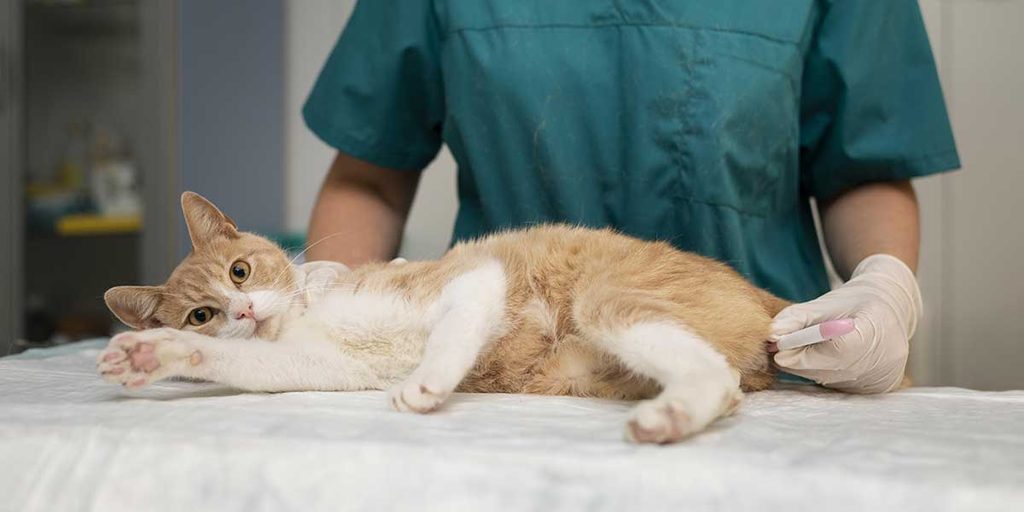
The test itself is straightforward. A small blood sample is drawn at the vet visit and sent to a reference laboratory. Results typically come back within a few days and are reported as either protective or non-protective for each disease tested. The vet then interprets those results in the context of the dog’s full health picture and advises on whether a booster is indicated.
Why the Annual Booster Model Is Being Reconsidered?
The annual booster schedule that dominated veterinary practice for decades was not established through rigorous research on immunity duration. It was a conservative default, applied broadly across all vaccines, that assumed boosting annually was safer than risk letting protection lapse.
The research that has accumulated since then tells a more specific story. Studies measuring immunity duration after core vaccines in dogs showed that protection against distemper and parvovirus often persists for three years or longer after a properly completed puppy series and adult booster. This is an important consideration when discussing dog vaccination in Encino, especially for owners who want to understand appropriate booster timing. Some studies found protection lasting considerably longer in individual dogs.
This evidence led the American Animal Hospital Association to revise their canine vaccination guidelines toward three-year intervals for core vaccines after the initial adult booster. That change alone moved the conversation significantly. Titer testing takes the individualization one step further by asking not just whether a booster is due on a calendar schedule, but whether this specific dog, at this specific point in time, actually needs one based on their measurable immune status.

Call (818) 922-2209 or visit encinopethospital.com/vaccinations to book your dog’s next vaccine appointment.
Who Is Most Likely to Benefit From Titer Testing?
Titer testing is not the right choice for every dog in every situation. Understanding who benefits most helps dog owners decide whether it is worth discussing at the next dog vaccination appointment.
Senior dogs are one of the clearest groups. Older dogs may handle repeated vaccination less efficiently than younger ones, and for a dog who has been consistently vaccinated throughout their life, the likelihood of maintaining protective immunity is high. Confirming that through a titer test before administering another booster is a reasonable, evidence-based approach to senior dog care.
Dogs with prior vaccine reactions are another group where titer testing adds genuine value. If a dog has had a documented reaction to a vaccine, the ability to confirm whether existing immunity is still protective before giving another dose reduces the risk of a repeat reaction without simply abandoning protection altogether.
Dogs with immune-mediated conditions or those on immunosuppressive medications are a third group where the conversation about vaccine timing and necessity is worth having with more nuance than the standard booster schedule allows.
And then there are dogs whose owners simply prefer a more evidence-based approach to medical decisions. This is a legitimate position, and choosing an expert service can help ensure those concerns are discussed thoughtfully rather than dismissed.
What Titer Testing Cannot Do?
Understanding the limitations of titer testing is just as important as understanding its value, and any honest conversation about the topic covers both.
Titer testing does not replace the rabies vaccine. California law requires rabies vaccination for all dogs regardless of titer results, and most jurisdictions do not accept titer results in lieu of documented vaccination for rabies. This is non-negotiable regardless of how high a dog’s rabies antibody levels are on a titer test.
Titer testing also does not apply equally to all vaccines. Lifestyle vaccines including Bordetella, leptospirosis, and canine influenza are not routinely titered because either the science around antibody levels and protection is less clear for these diseases, or the vaccines themselves are inherently shorter-acting and require more frequent boosting regardless of titer results.
A low titer result does not necessarily mean a dog is completely unprotected. Immune memory can provide rapid response even when circulating antibody levels appear low on a standard test. These are nuances worth discussing with your vet rather than drawing simple conclusions from a single number.
The Cost Question: Titer Testing vs Automatic Boosters
This is the practical question most dog owners get to eventually, and it is worth addressing directly. Titer testing costs more than an automatic booster at a single appointment. The lab fees for a distemper and parvovirus titer typically run higher than the cost of a DHPP booster given without testing.
What changes the financial calculation is the outcome of the test. A dog whose titer results show protective immunity does not receive a booster at that visit. Over the course of several years, a dog who titers protective consistently and skips boosters that would have been given automatically may cost their owner less in total vaccine costs than a dog on an automatic annual or triennial schedule.
The break-even point depends on how frequently a dog’s titers show protective immunity, how often boosters would otherwise be given, and the specific pricing at the practice involved. It is not a universal financial saving, but it is also not as straightforwardly more expensive as it first appears.
How the Conversation Fits Into a Wellness Visit?
Titer testing is not something that happens instead of a wellness visit. It happens as part of one, and understanding how it fits into the broader appointment helps dog owners know what to expect.
At a wellness visit where titer testing is requested, the physical examination happens as normal. The blood draw for the titer is taken alongside any other bloodwork being run. The vaccine conversation is held until the titer results come back, typically a few days later, at which point the vet advises on whether a booster is indicated based on what the results showed.
This means the wellness visit and the vaccine decision are slightly separated in time rather than happening in the same appointment. For some dog owners this is a minor inconvenience. For others the additional information the titer provides is worth the wait.
Encino Pet Hospital and Emergency offers dog vaccination in Encino with personalized vaccine schedules and titer testing available for dogs at every life stage. Open seven days a week including holidays.
FAQs
Can I request titer testing at any vet visit in Encino?
Yes. Titer testing is a standard request that any practice offering it can accommodate. Ask when booking whether the practice offers titer testing and which diseases they test for.
Does a protective titer result mean my dog will never need a booster again?
No. A protective titer result means a booster is not indicated at this point in time. Titer testing is repeated at the next wellness visit to reassess, and a booster is given if results show immunity has waned.
Is titer testing accepted by boarding facilities and dog parks in Encino?
Most boarding facilities and dog parks require documented vaccination rather than titer results. Check with the specific facility before relying on a titer result to meet their requirements.
How often should titer testing be done?
Annual testing at wellness visits is the standard approach, replacing the automatic booster with a test-and-decide model. The frequency can be adjusted based on results and the individual dog’s history.
My vet has never mentioned titer testing. Should I bring it up?
Yes. Titer testing is an established option that not all vets raise proactively. Asking about it directly opens the conversation and gives you the information you need to make an informed decision about your dog’s vaccine schedule.
An Evidence-Based Approach to Dog Vaccination in Encino
The shift toward titer testing reflects something broader happening in veterinary medicine. A move away from one-size-fits-all protocols and toward individualized decisions based on the specific animal in front of the vet. For dog owners in Encino who want that kind of approach, finding a practice that offers titer testing and engages with the conversation thoughtfully is the clearest signal that individualized care is actually on the table.